From Point Cloud to Digital Twin: How Geospatial Data Becomes an Engineering Asset
The chain from reality capture to a living digital twin — and why semantic data, not geometry alone, is what makes a twin useful.
The chain
- 01Reality capture
- 02Point cloud
- 033D model
- 04Semantic data
- 05Digital twin
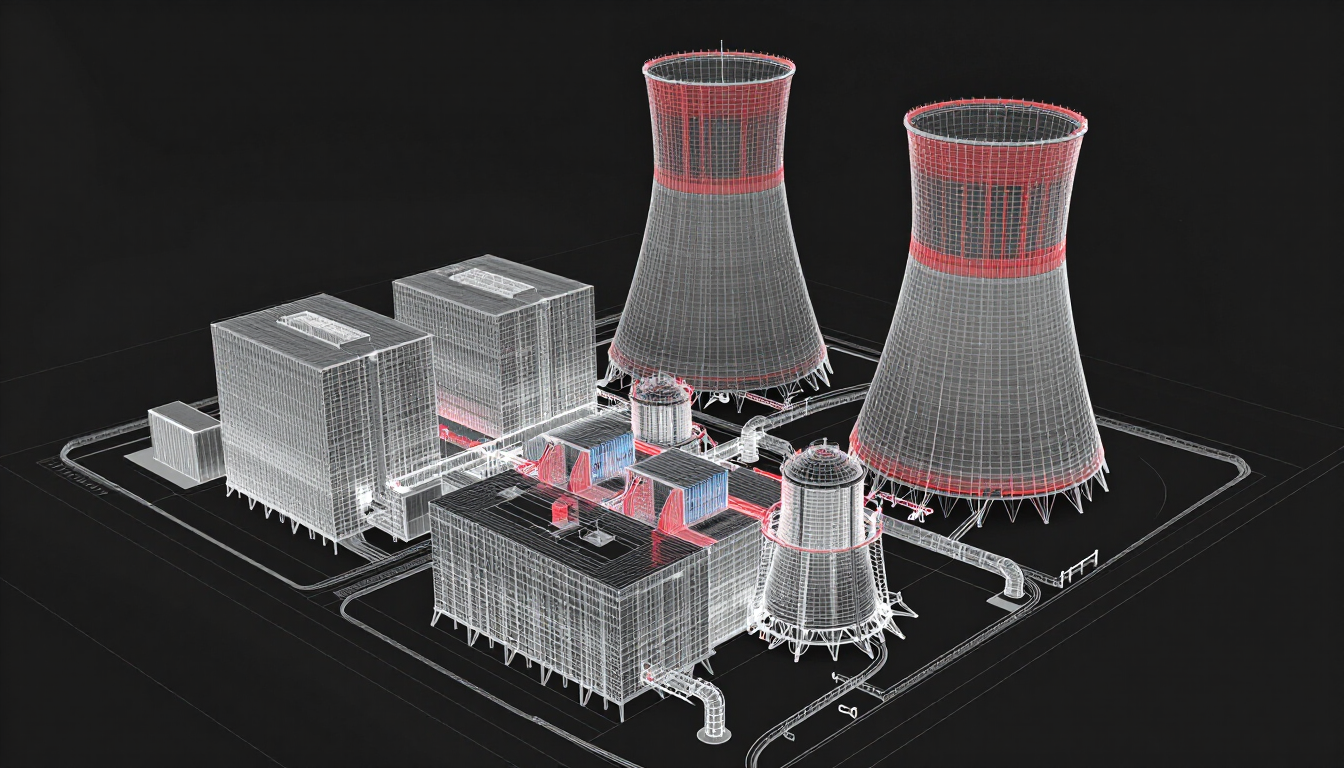
A digital twin is not a 3D model with a marketing label. It is a representation of a real asset, linked to its meaning and its live context, that engineering and operations can use to make decisions. Each link in the chain above adds something the previous one lacked.
Reality capture and the point cloud
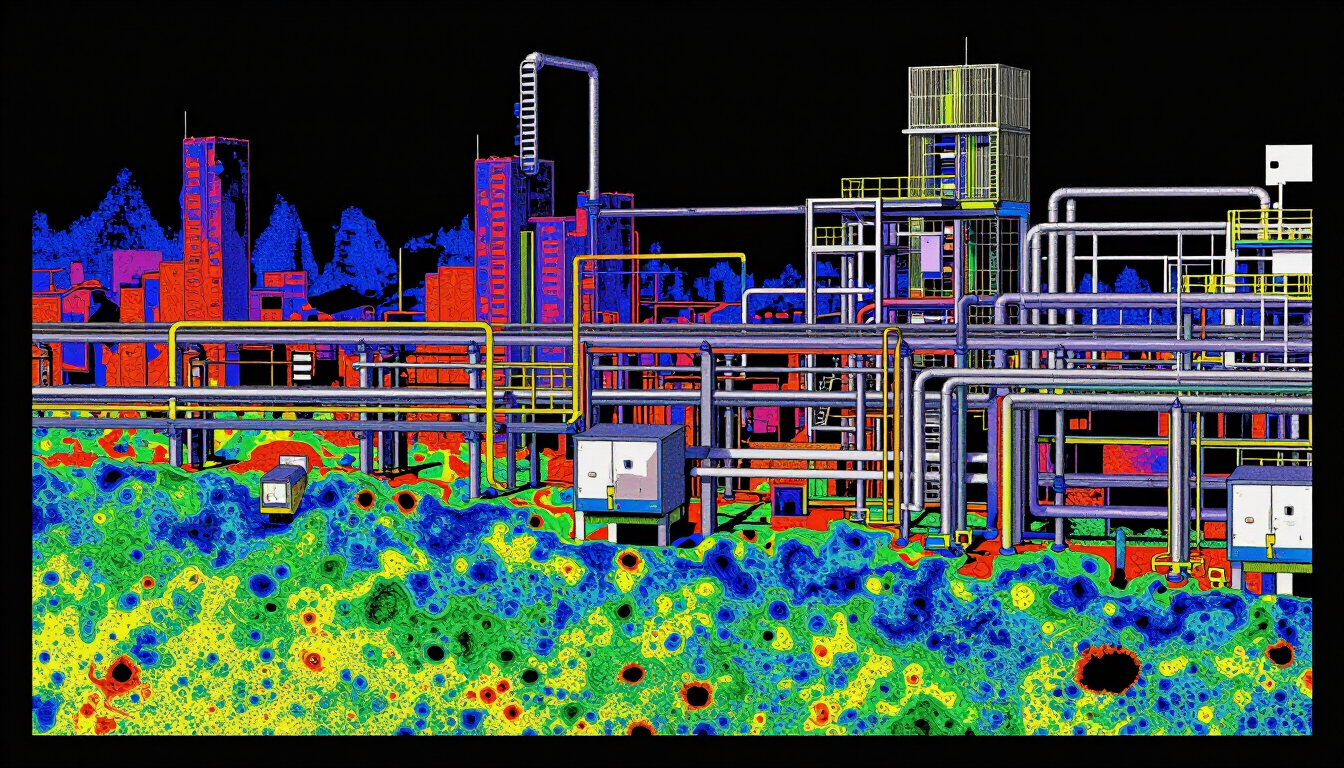
Reality capture — LiDAR, photogrammetry, or both — produces a point cloud: a dense, measured record of the asset as it exists. This is the geometric truth base. It is metric, defensible and complete within the capture plan.
From point cloud to 3D model
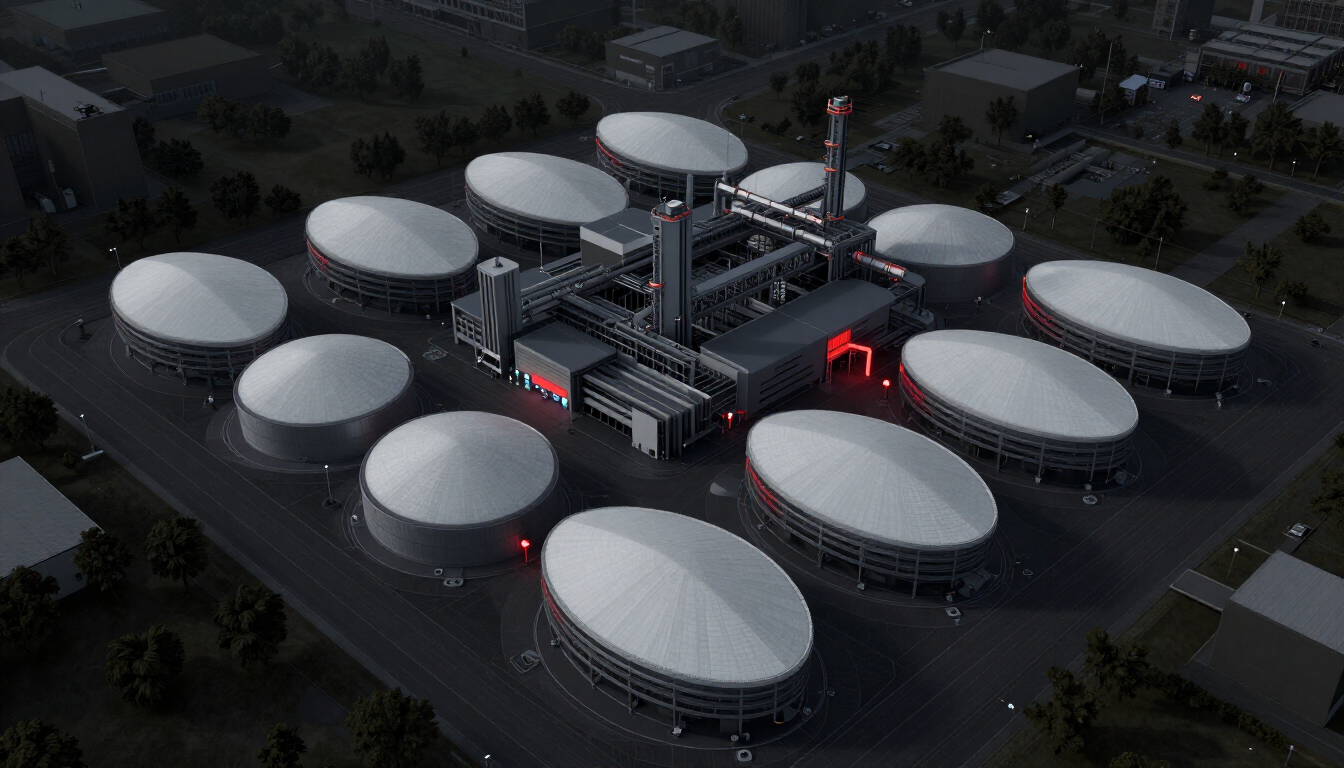
The point cloud is converted to a usable model: surfaces, solids, or a hybrid. For engineering use the model is semantic — pipes are pipes, pumps are pumps, not generic meshes. This modelling step is where raw geometry becomes structured, queryable asset representation.
Semantic data
Geometry alone does not answer engineering questions. A pipe needs a tag, a specification, a material, a service, a maintenance history. Linking this semantic data to the geometric model is what turns a model into a twin. Without semantics, it is just a picture.
Live context
A true twin is connected to the asset's live state: sensor feeds, control system data, work orders, inspection records. The twin reflects what the asset is doing now, not just what it looked like at capture. This is the layer that supports operational decisions.
Applications
- Factory. Layout, routing, clash detection for retrofit, maintenance planning.
- Power plant. As-built condition, outage planning, inspection records linked to geometry.
- Data centre. Space and service management, capacity planning, change tracking.
- Mining. Pit and stockpile progression, infrastructure condition, safety planning.
- Oil & gas. As-built piping, inspection and corrosion management, turnaround planning.
- Infrastructure. Bridge and tunnel condition, asset management, change monitoring.
- Buildings. Facility management, retrofit planning, energy and service routing.
What makes a twin an engineering asset
A twin earns the word "asset" when it is trusted, current and useful: trusted because its geometry is measured and its semantics are verified; current because it is linked to live context; useful because it answers the questions engineering and operations actually ask. The point cloud is the foundation; the semantics and the live context are what make the whole thing worth building.