Power Plant Survey: Building a Digital Twin for Operations and Outage Planning
An illustrative workflow for surveying a power plant and building the geometric base of a digital twin — combining UAV and terrestrial capture.
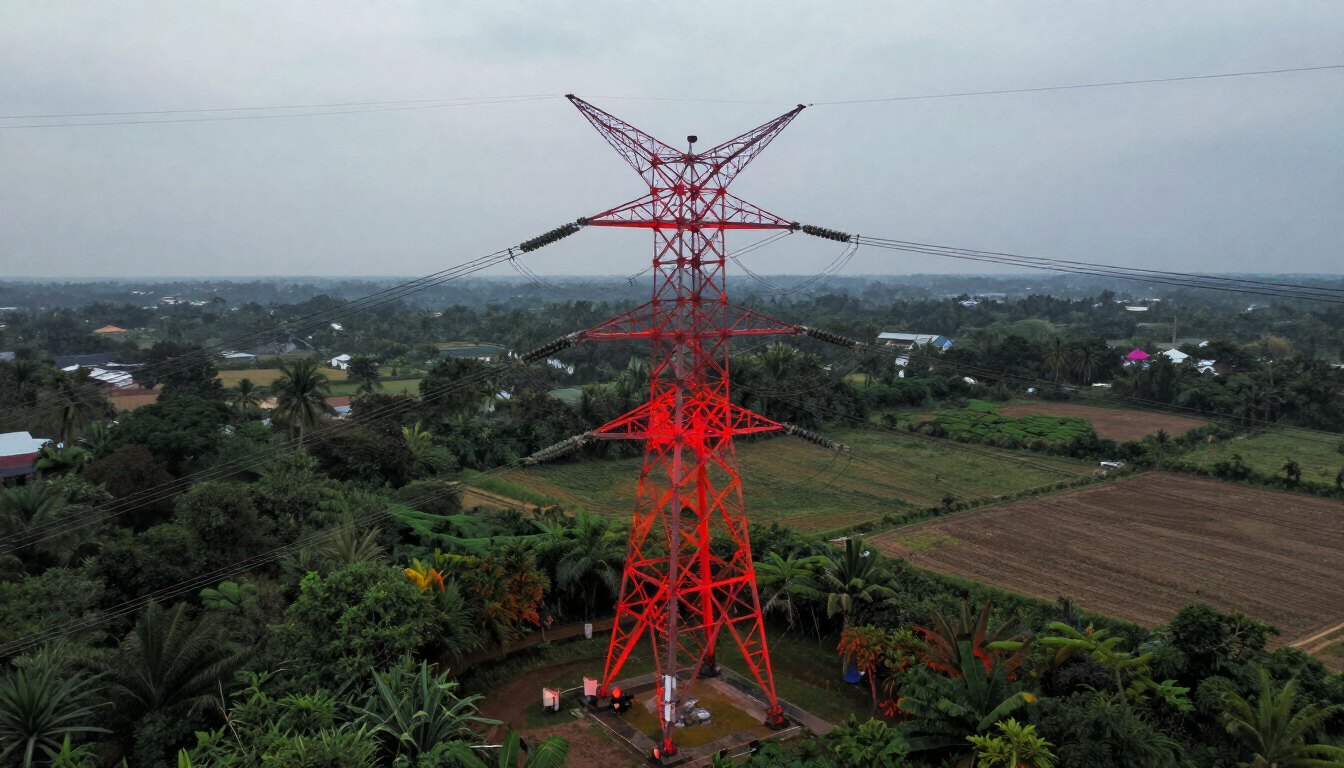
Illustrative Workflow
This article describes an illustrative workflow, not a real GLONAS project. No client, project number, accuracy figure or result is claimed.
Problem
A power plant is a dense, tall, hazardous asset. Operations needs an accurate as-built representation for maintenance and retrofit; outage planning needs to know exactly what is where before a shutdown. Traditional drawings lag reality, and the gap is where costly clashes and delays hide.
Traditional workflow
2D drawings and isolated measurements, updated manually. Accurate at the points measured, untrusted everywhere else, and slow to revise. The "as-built" is often an aspiration.
Modern workflow
Reality capture builds a measured, current representation, registered into one model that becomes the geometric base of a digital twin.
Technology
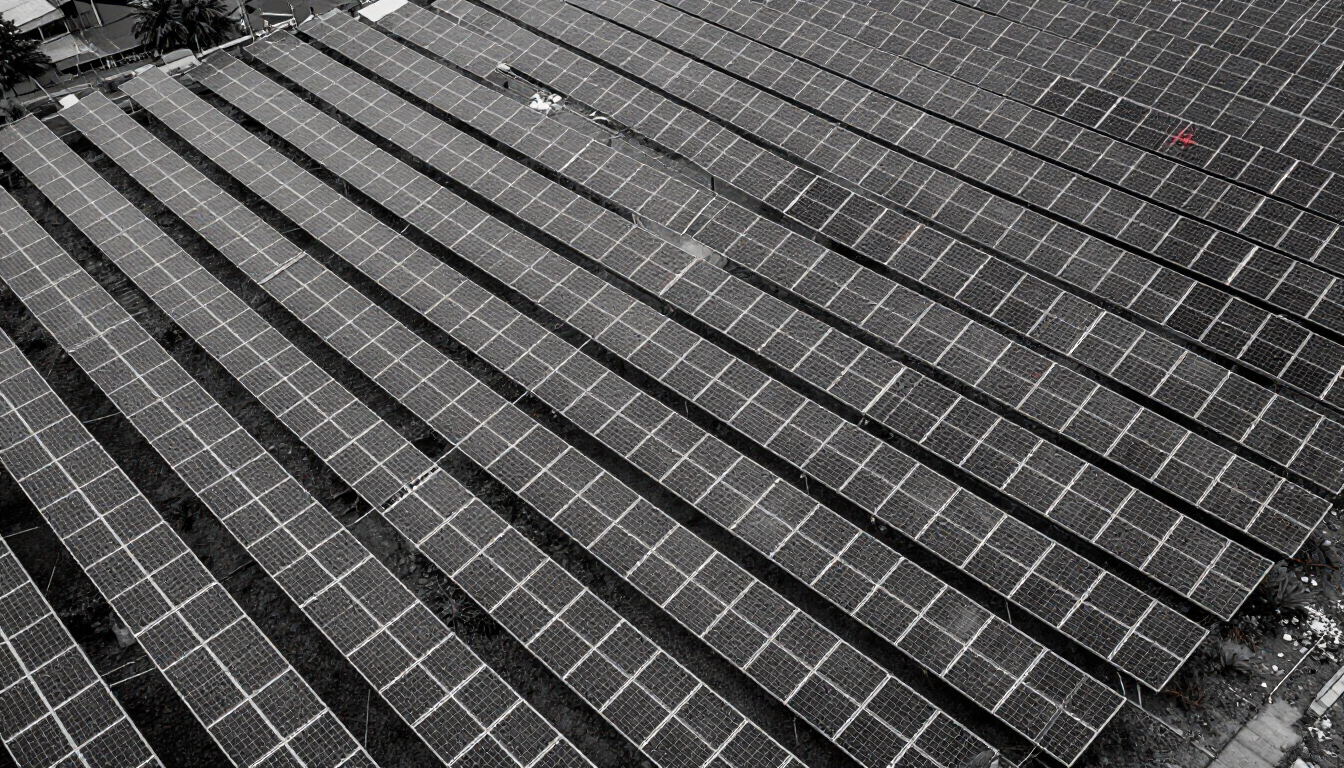
- UAV LiDAR and photogrammetry for roofs, stacks, structures and site terrain.
- Terrestrial LiDAR for indoor plant, pipe racks and confined areas.
- Registration of all stations into one coordinate system.
- Semantic modelling — pipes, equipment, structures identified, not just meshed.
- Digital twin platform linking geometry to tags, specs and live data.
Data
- A registered, classified point cloud of the whole plant.
- An as-built 3D model with semantic structure.
- Orthomosaic and DSM of the site context.
Output
- A navigable digital twin: measured geometry plus linked asset data.
- Clash detection of retrofit designs against as-built.
- Outage plans built on current reality, not stale drawings.
Engineering value
- Trust — the as-built is measured, not assumed.
- Outage efficiency — clash-free plans reduce shutdown duration.
- Operations — maintenance teams navigate the real plant, not a drawing.
- Change — future scans compare against a documented baseline.
Limitations
- Indoor and outdoor capture use different methods and must be registered carefully.
- Semantic modelling is labour-intensive; its depth must match the use case.
- A twin is only current if maintained; without updates it becomes another stale record.
Lessons learned
- Define the use case before capture — operations, outage, or inspection each need different detail.
- Combine UAV and terrestrial capture; neither alone covers a plant.
- Register everything to common control; registration quality is the accuracy ceiling.
- Plan for maintenance of the twin, not just its creation.
Technical notes
- State datum, CRS and registration residuals on the deliverable.
- Keep the measured point cloud as the source of truth; the model is a derivative.
- Link semantics to a naming standard the client already uses, where possible.